

M2P Fintech
Fintech is evolving every day. That's why you need our newsletter! Get the latest fintech news, views, insights, directly to your inbox every fortnight for FREE!
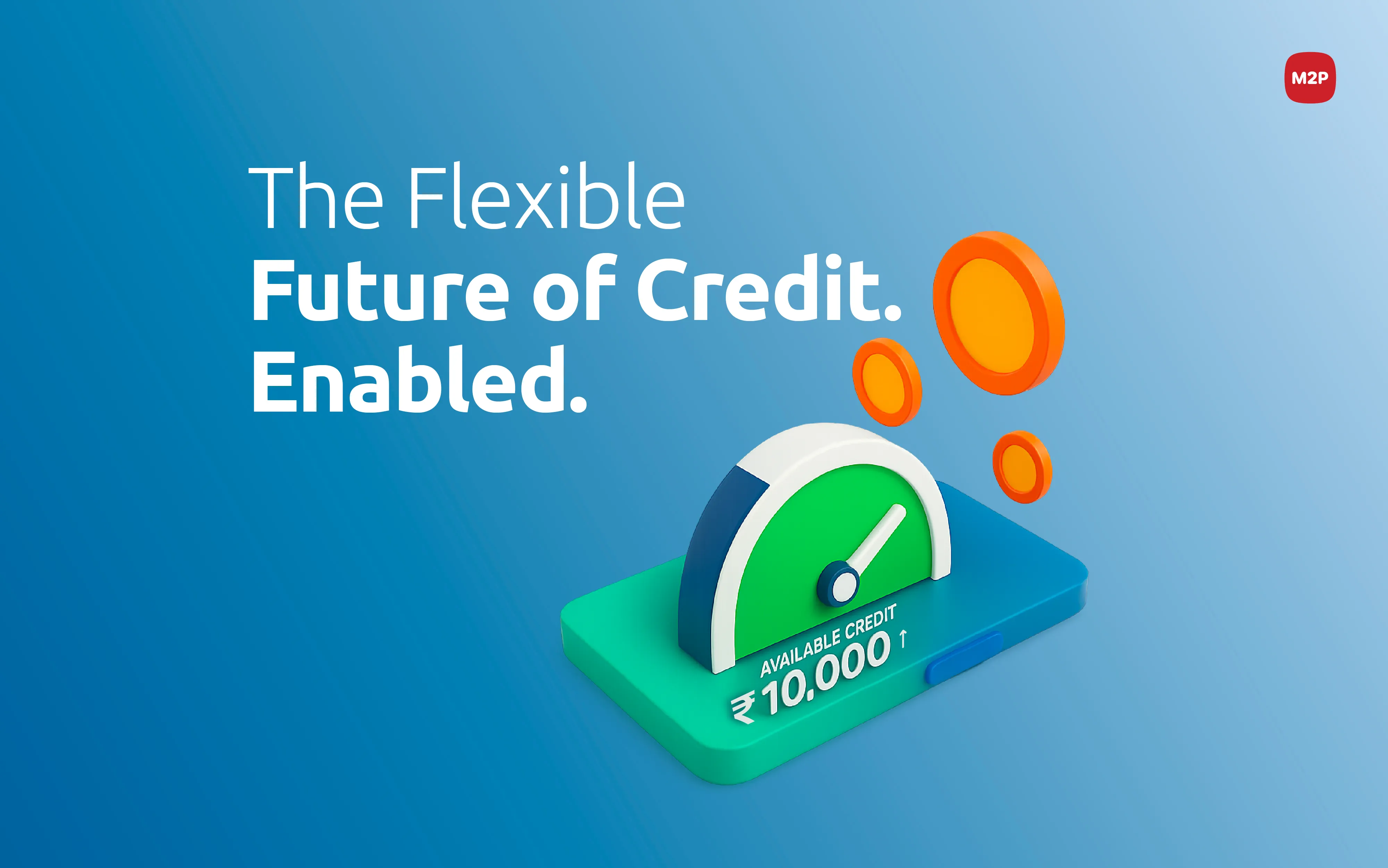
For decades, banks have served their customers' credit needs through two primary, siloed channels - the structured personal loan and the revolving credit card. Each serves a purpose, but neither fully captures the fluid, real-time financial needs of the modern consumer. Today's customer doesn't think in terms of products; they think in terms of "needs"- whether it's funding a home renovation, managing a temporary cash flow gap, or paying for an unexpected expense.
To meet this demand, digital-first banks are moving beyond rigid product categories. They are embracing a more powerful and flexible construct: the Line of Credit (LoC). Offered as a seamless, on-demand facility, the LoC is emerging as the strategic tool for banks to deepen customer relationships and build unshakeable loyalty in the digital age.
The fundamental difference between a traditional credit product and a modern LoC is the shift in mindset.
A credit card is a payment tool with an attached credit line.
A personal loan is a one-time disbursal of funds for a specific purpose.
A Line of Credit is a pre-approved, evergreen pool of capital that a customer can draw from, repay, and draw from again, as their needs evolve.
This isn't just semantics; it's a strategic evolution. By offering a flexible LoC, a bank is no longer just "selling" a product. It is providing a permanent, personalized credit facility that becomes an integral part of the customer's financial life. This facility can be accessed in multiple ways - through a dedicated card, linked to a debit card, or drawn directly from the mobile banking app - offering unparalleled convenience.
Adopting a flexible LoC model isn't just about customer centricity; it's a powerful driver of business growth and a potent defence against fintech challengers.
Deepens Customer Relationships: An LoC is a high-engagement product. It encourages customers to turn to their primary bank for all their credit needs, big or small, strengthening the relationship and creating a powerful moat around them.
Increases Customer Lifetime Value (LTV): Instead of a one-off loan, an LoC creates a continuous revenue stream through interest and fees over a much longer period. It also provides rich data on spending behaviour, enabling highly effective cross-selling of other banking products like insurance and investments.
Optimizes Credit Utilization: A pre-approved LoC allows banks to have a ready pool of credit deployed to their most trusted customers, ensuring capital is used efficiently and profitably. The revolving nature encourages usage for a wider variety of needs than a single-purpose loan.
Competitive Differentiation: In a market where fintechs often lead with slick, monoline credit products, a bank that offers a deeply integrated, multi-channel LoC leverages its core strengths - trust, a large customer base, and a diverse product ecosystem - to provide a superior, holistic value proposition.
While the strategic merit of a flexible LoC is clear, execution can be a major hurdle for banks running on traditional technology infrastructure. Legacy core banking and card management systems are often rigid and siloed.
They struggle to manage a revolving credit line that isn't tied to a standard credit card product.
They lack the real-time, API-driven architecture to allow customers to draw funds seamlessly across different channels (app, card, etc.).
Developing and launching new, flexible credit products can take years, allowing more agile competitors to capture the market.
To overcome this, banks need a modern, agile technology layer designed specifically for the future of digital credit.
This is precisely the problem M2P's Credit Card Stack is designed to solve. Our platform is not just a card management system; it is a powerful, API-first credit and lending engine that empowers banks to launch sophisticated LoC programs with speed and confidence.
By acting as a flexible middleware layer, our stack integrates with the bank's core systems and provides the critical capabilities needed to run a modern LoC program:
A True Revolving Credit Engine: At its heart, our platform is built to manage dynamic credit lines. It seamlessly handles everything from setting and adjusting credit limits to tracking available balances, calculating interest based on configurable rules, and processing repayments.
Multi-Channel Disbursal: Our API-first design allows the Line of Credit to be accessed from anywhere. Banks can configure disbursals to a card, a digital wallet, or directly to a customer's bank account, all drawing from the same central credit line.
Rapid Product Configuration: The M2P stack separates the product logic from the core system. This allows banks to design and launch new LoC variants with unique fee structures, interest rates, and user experiences in weeks, not years, without touching their legacy infrastructure.
End-to-End Lifecycle Management: We provide the entire operational backbone, from digital customer onboarding and underwriting to real-time transaction authorizations, statement generation, and collections management.
Future-Ready Architecture: Built for scale and flexibility, our platform allows banks to easily add new features and channels in the future, ensuring their LoC program remains competitive and innovative.
With M2P's Credit Card Stack, banks can bypass the constraints of their old systems and fast-track their journey to offering next-generation credit solutions.
The demand for flexible, on-demand credit is only growing. Banks are uniquely positioned to meet this need, leveraging their trusted brand and extensive customer relationships. The key to unlocking this opportunity lies in embracing the Line of Credit model and partnering with a technology provider that can deliver the agility and capability required.
By moving beyond the rigid silos of the past, banks can build deeper relationships, drive sustainable growth, and solidify their position as the undisputed centre of their customers' financial lives.
Follow us on LinkedIn and Twitter for insightful fintech bytes curated for curious minds like you.

Fintech is evolving every day. That's why you need our newsletter! Get the latest fintech news, views, insights, directly to your inbox every fortnight for FREE!